

Getting older. What changes and what does them good.
Calmer, greyer, sometimes stiffer: what can be normal in old age, when you should see the vet and how to support your dog in everyday life.
Go to articles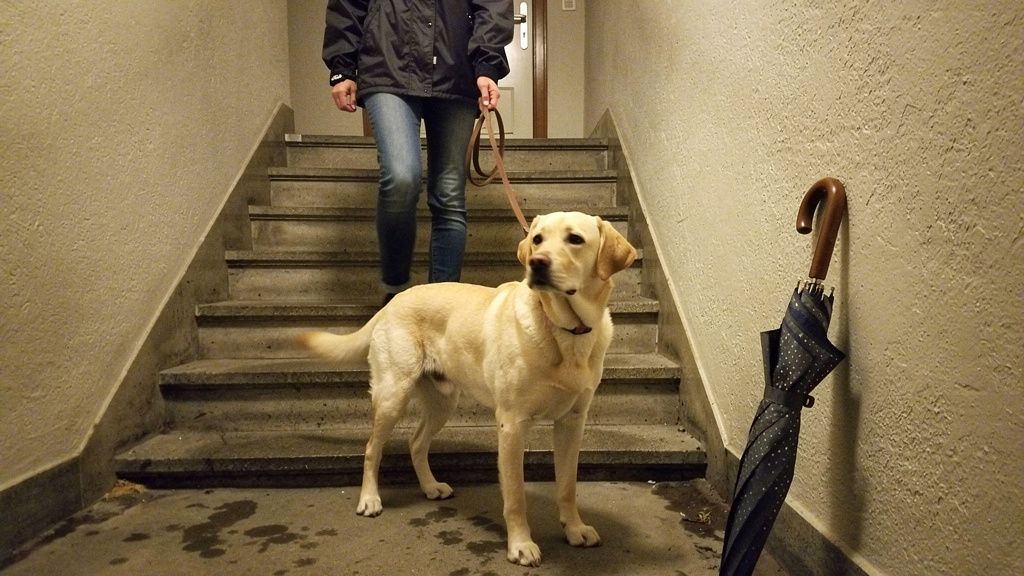
Understanding the signs
Does this sound familiar?
Calmer and slower
What can change with age.
Read articleStiff steps
When it is time to get things checked.
Read articleLimping
Signs the vet should look at.
Read articleMuch of it is part of getting older, some things need to be checked.
When should you see a vet? If your dog is limping, struggles to get up after lying down or shows signs of pain, take them to the vet.
Frequently asked questionsIn the bowl and in everyday life.
Frequently asked questions
Any questions?
When is a dog considered a senior?
That depends on size and breed. Large dogs are often considered seniors earlier than small ones.
How much exercise is good for older dogs?
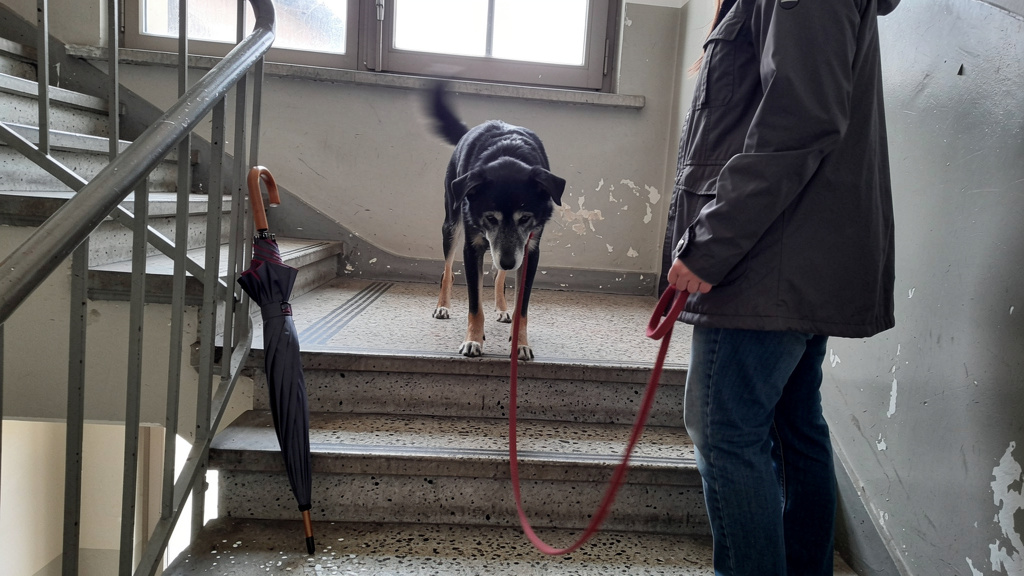
Several short walks on soft ground are better than one long one. Keep stairs and jumping to a minimum.
What helps at home?
Non-slip mats, a soft bed in a warm spot and keeping an eye on their weight.
For everyday life.
A topper is no substitute for a proper check-up. It complements your dog's daily feeding.

SENIOR
For a zest for life in older dogs' everyday lives.
A food topper, added daily to your dog's usual meal. View SENIORFeel-Good and Acceptance Guarantee: your money back. 90 days.
This guide is not a substitute for a veterinary examination. Complementary feeds are not medicines.

Hämmerli 2D, CH-8855 Wangen SZ
+41 55 460 26 97
+41 76 830 26 97
team@tradidog.ch